
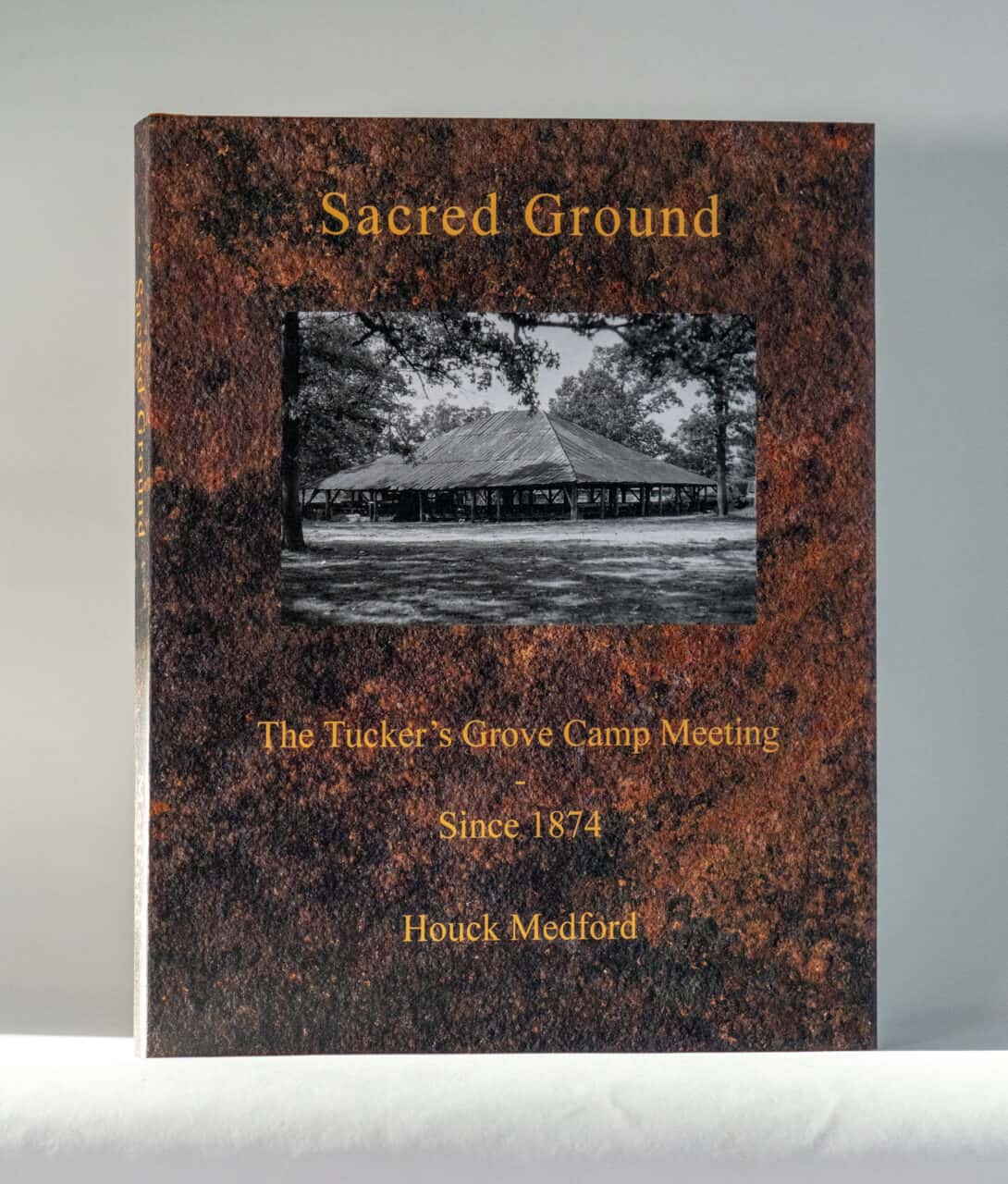
In the beginning
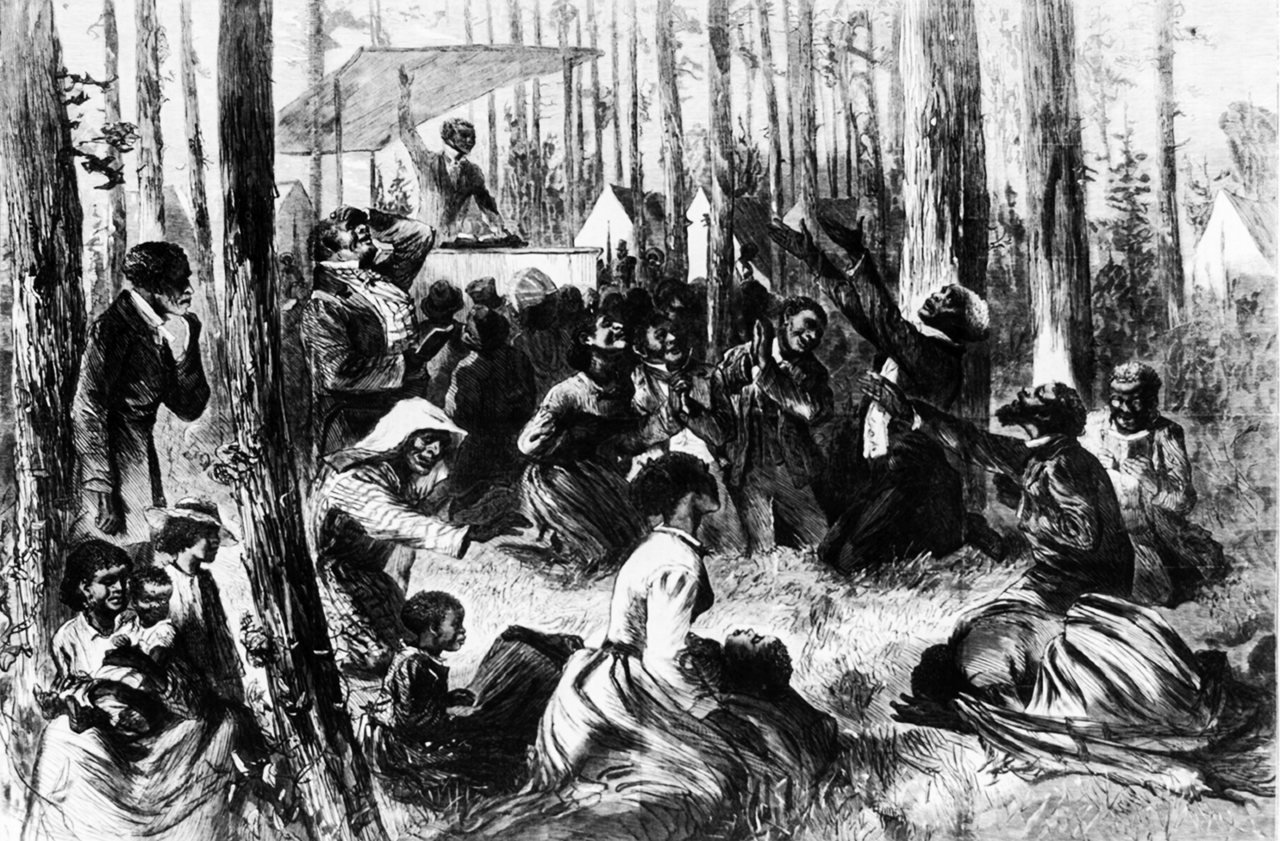
John Wesley, long considered the father of Methodism, discovered “field preaching” almost as a fluke. On a seminal occasion, he witnessed one of his missionary colleagues preaching in an open forum from atop a stump before several hundred emotionally rapt congregants. A century later, field preaching was still held outside, but under the cover of a protective arbor, open on four sides. taken inside an open arbor, as was the case with the nearby all-white Rock Springs Camp Meeting Ground in east Lincoln County. Negroes attended but only as enslaved people who managed the households and livestock of their attending masters.
After the Civil War, African Americans experienced, for the first time, control of their religious destiny. They quickly built churches. In Lincoln County, St. James became the Mother Church from which the other churches derived and even shared cemeteries. In the Rock Springs tradition, they decided they needed an Arbor, which was the nemesis for the Tucker’s Grove Camp Meeting Ground.
Tucker’s Grove provides a safe place where generations can gather
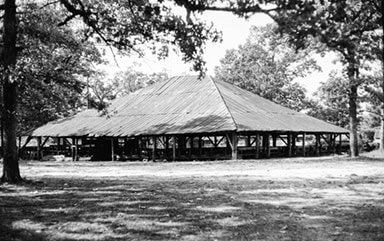
Home is where the heart is.
Tucker’s Grove is more than 150 years old and one of the longest continuously operating African American camp meetings in the South. Fifteen decades generated hundreds of alums whose fondness for the event brings them back annually to pay tribute to their past to celebrate the present.
Above all, it allows them to unite in purpose to celebrate the love of Christ with worship with their friends under the Arbor.
The children in camp took care of their own . . . to a point.

A common warm memory of adults who grew up at camp meetings was being there as a kid. “We played from sunrise to sunset; we had the best time. Invented our own games, and many of which involved a ball. We felt safe.”
The watchful eye of responsible adults ensured safety because the grown-ups knew who all the children belonged to. Behavior rules were generally agreed upon, but they became stricter when a child crossed into another family’s domain, such as their front yard or living room.
Clergy and parents constantly reminded children with ritual and words that they were at camp meeting to remember their Creator. Special services were prepared and explicitly directed to the youth.
There was something for everyone. As the sun lowered in the sky, the young adults became emboldened and sought out the intimacy of the shadows.
About the process
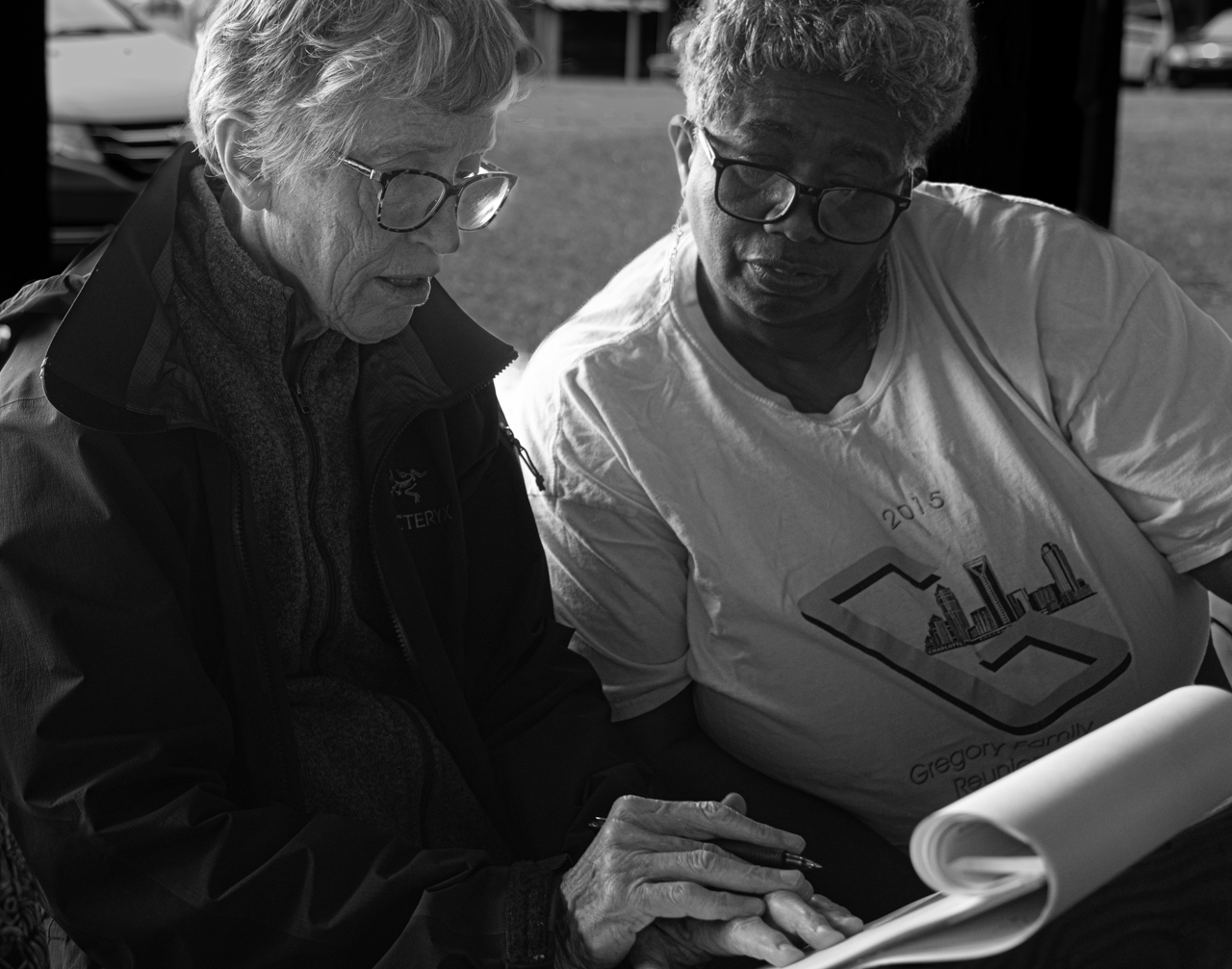
Access is required to tell any story wth accuracy and authority.
The story of Tucker’s Grove was no different and presented many more unique challenges.
First and foremost, Tucker’s Grove had no written history per se. One would expect the local historical association, county library, and member churches to be natural depositories. In every instance, their leadership would look down at their feet and say, “We don’t have much.” Indeed, they didn’t have much.
The archives of The Lincoln Times-News had the greatest inventory of historical resources, as the newspaper’s reporters had written them. Tucker’s Grove Camp Meeting Ground was a favorite August topic due to the photography opportunities and the willingness of congregants to share their memories of the old days.
The tools of documentary are the camera and the recorder. Interviewees were consistently reluctant to reveal family stories due to the intrusion of these modern recording devices. Despite well-directed prompts, some good family stories were collected, and noteworthy images were recorded.
The floodgates began to open when families were asked to share their family photo albums. The tenacious bonds of memory immediately loosened, and the stories sprang forth. The lens and microphones were ready.
Dates on tombstones, obituaries, death and birth certificates, and census records were always confirming.